Game Of Thrones is arguably the most popular television series of the modern era. With millions of views per episode worldwide, the cross platform fantasy show has become a huge success since its pilot in 2011. In 2018, it was the second most popular TV show, with no new episodes even aired. (Zamora, N. 2018). Originating from George RR Martin’s novels, Game Of Thrones is based in a fantasy kingdom where seven different houses (families) fight for the throne, and with such a simple plot came a very successful franchise. There is action, drama, romance and comedy all in Game Of Thrones and it suits a very wide range of audience due to its different genres that cater for different people.. Within this case study analysis, I will be focusing around two media concepts that relate to the Game Of Thrones universe and two concepts that have helped shape it to where its popularity is now. I will focus on representation in the franchise. This element has been a main talking point since the beginning of the TV series, even from the books. I will reflect on why this is and how it adapted to cater for the audience in a suitable way. The second media concept I will look at is Fandom. Fandom is a huge aspect that has grown the series in particular to where it stands now. I will explore how fandom is such a big factor and determine whether it had influenced the direction of the television show to date. With such a large and diverse universe created, and a very long and in depth storyline with many characters, it is destined to raise some questions over particular subjects and there is definitely some questions regarding representation. Fandom has also in some ways raised queries into whether or not the television series in recent seasons has headed the correct way and if fan theories were a better option. I will critique both these concepts in various ways, challenge their validity and conclude what I have learnt through my studies.
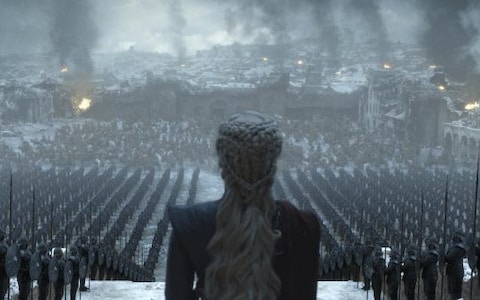
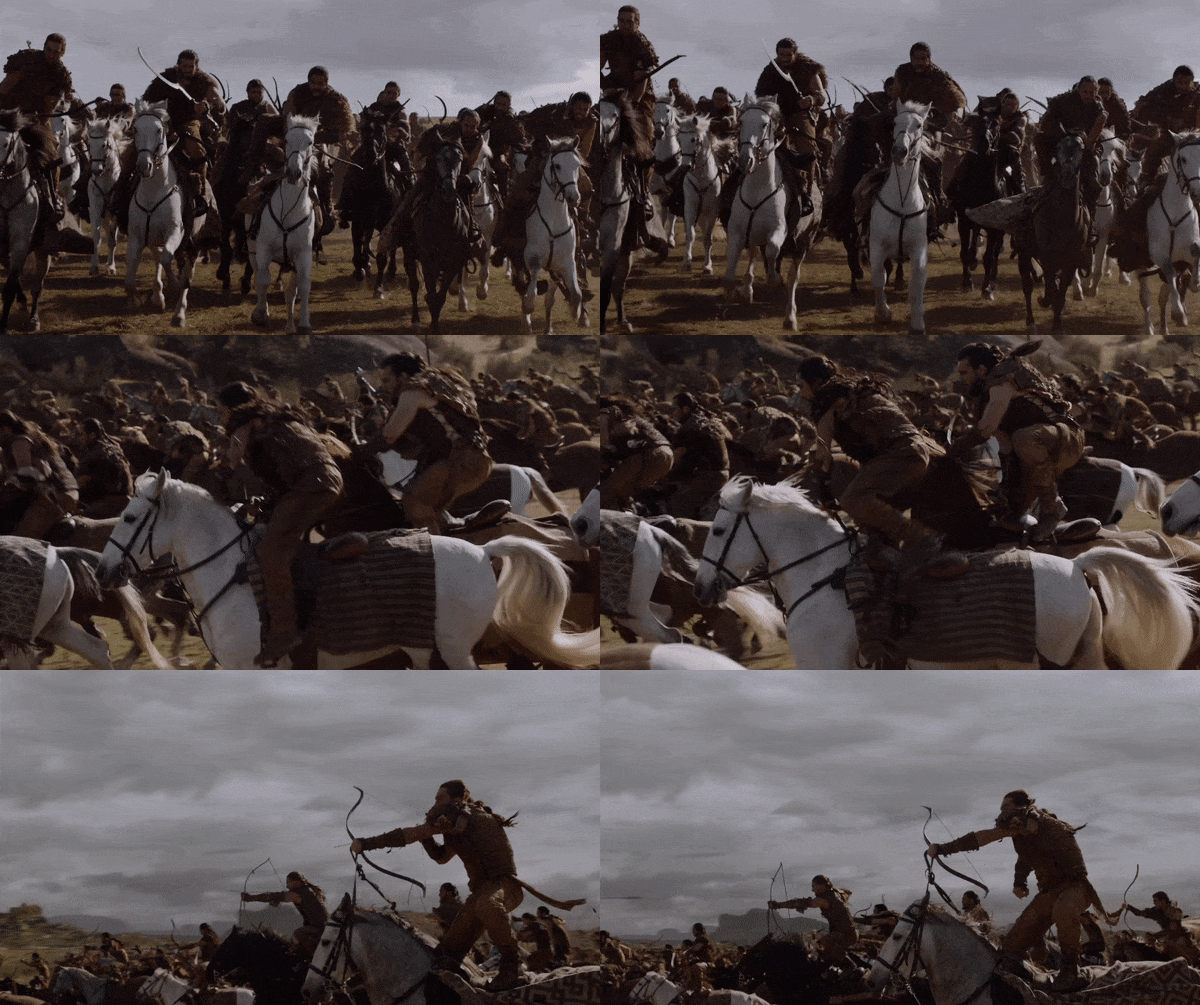
Described by the Guardian as ‘miraculous’ (Holland, K), Game Of Thrones has gripped the wrists of millions of fans across the world for many different reasons. Whether it be for the intense storyline, the diverse characters or the unique world of Westeros, there is something for everyone. But for American politician Elizabeth Warren, it is all about the strong aspect of feminism in the later stages of the series, in the way two strong leading female characters ‘vie to rule the world on the brink of collapse’ (Andrews-Dyer, Helena. 2019). There is many ups and downs for the women in the Game Of Thrones world, and throughout the series are portrayed in many different lights. From beggars to queens, prostitutes to knights, women play an important role in developing not only the story, but the life behind the fantasy series. This is why I am focusing on representation, as there are so many ways that gender, race and culture is tested at the viewers discretion and this is what makes it so interesting, and controversial from an audience members perspective. The reason women are shown the spotlight is due to the men in the series, the majority being knights and soldiers, and being shown a higher authority and able to dictate women. In the later stages of the series, the main plot becomes about two queens fighting for the ruling of Westeros, and fighting over Kings Landing (the capital of the continent). This portrays women as very strong and important, a different perspective to what we have seen in previous seasons when the throne was fought over by kings, and if a king died they would be replaced by another king and women would not even be considered. I feel this different approach is somewhat influenced by the view of the media and how the series has been portrayed and this is why the show has moved in this direction. This is not the only ‘problem’ with representation. Race and culture is also a main talking point. News website Self said ‘the excuse for the lack of diversity in Game Of Thrones is that the show’s producers want to stay true to the book series.’ (Bahadur, N. 2017). There is a predominately white cast in Game Of Thrones, an issue that has been raised throughout the seasons and the only different ethnicity is a group called the ‘Dothraki’ which are portrayed as uncultured savages on horseback, but this again doesn’t impress all audiences and seen as stereotypical by a large amount of the audience. The reason for the culture of the cast is that the series is based on the book series, and as Self proclaimed, the realism of the television series is something the writers took in the stride and kept to the script as much as possible. This idea of representation within Game Of Thrones is a huge influence on the majority of medias that the franchise is shown on and even though the show is so successful, it definitely raises questions into why more cultures are not portrayed in the series.
Fandom played a vital role in getting the programme where it is today. This media concept revolves around the fans point of view towards Game Of Thrones and how they have built a community around the franchise and built the cross platform show into a successful series. Fandom has its positives and negatives, so why has it had such large impact on the show? Its negative point is that many big fans come up with their own theories about what will happen next in the show. A lot of these fan theories are impressive and work well with the plot but are rarely the direction the producers move in. Instead, expectations are set very high due to these theories and that leads viewers to be dissapointed at the story takes a turn that doesn’t please all of the audience. (Vargas. C. & Gonzales, E. 2019.). This makes it a lot more pressure on the creators and producers of the television series, as not only do they need to stick to as close to the books as possible but also need to improve season upon season. The series has continually improved throughout the years, with unexpected twists and incredibly dark turns, but lately there has been complaints of vague storytelling and years of character building leading to disappointing finales.There has been complaints about the latest season, about cramming it all into only six episodes, as opposed to the usual ten. This makes it feel rushed and not as deep as the other seasons and this have been voiced tremendously over media and through the idea of fandom. Despite this, Fandom is a largely positive aspect to the Game Of Thrones universe. It brings fans together and brings them closer to the crew and cast. It builds a place where you can share your thoughts and feelings about the programme, about the latest episode and discuss your views with others that share the same interest. One aspect I found from the series was the fact I wanted to talk about it after the episode was over and share my feelings, and that is something that Fandom allows you to do.
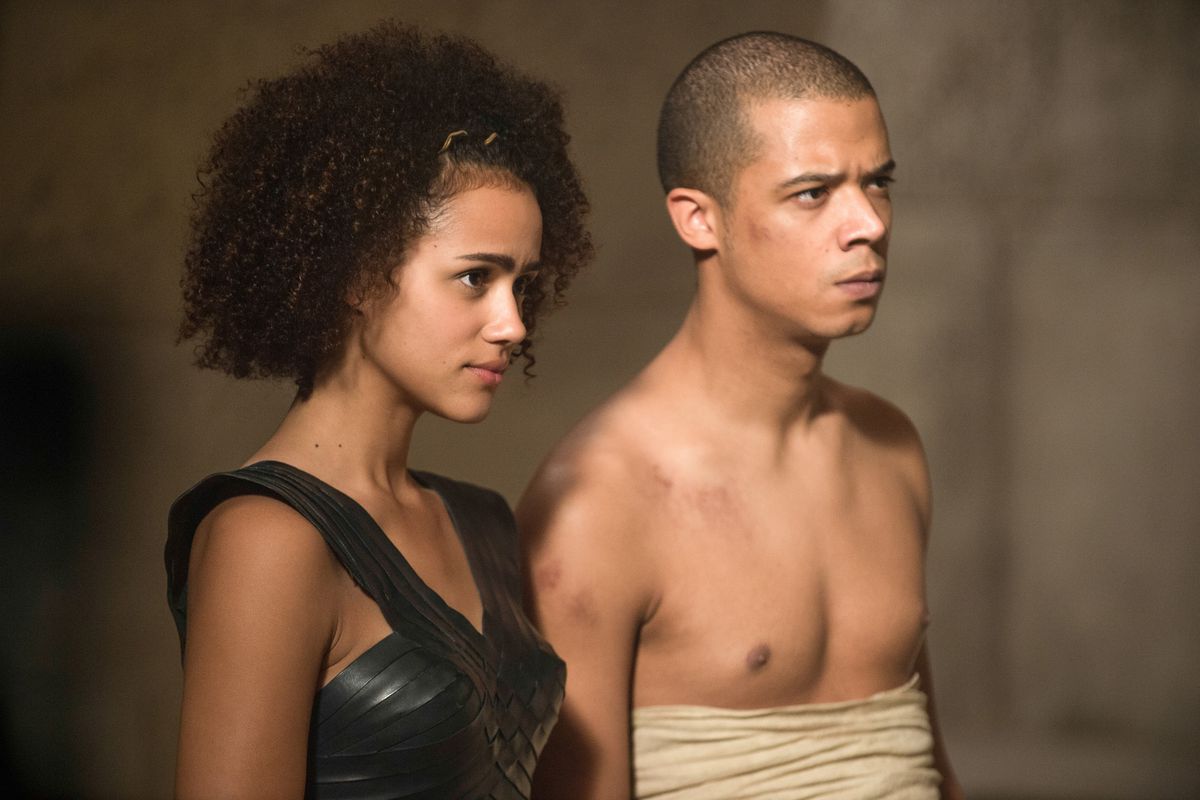
Representation for some people is the core of a television series, a film or even a book. It dictates whether an audience member will actually watch the content or not. Why? This is because everyone values different aspects in these media’s. Whether it be a more straightforward reason, in being taste and style, or a more deeper meaning such as representation for example. Game of Thrones has attracted audiences globally for many different reasons, but I don’t believe representation is one due to the lack of ethnicity for example. There are only two black characters within the television series, and this is only due to sticking to the script of the book. Both of these characters start of their journey as slaves and even though there are hundreds upon thousands of slaves within Game Of Thrones, it leads you to wonder why black people do not take a more important role within the series in the early stages. It hints at a slightly stereotypical point and a very outdated view. I feel the only reason these two characters gained such roles in the end was due to criticism over the lack of diversity that the producers and creators received from the audience. Even though you can tell the writers wanted to feel as close to the script as possible, many visual media’s that originate from novels twist details such as race to suit all audiences and promote equality, but there seems to be no justice from Game Of Thrones. This is a real shame and something that could of be altered to improve the series even more and cater for a wider audience that value representation in what they watch.
How women are represented in all the cross platform versions of Game Of Thrones is an interesting subject. They go through many different stages and presented in loads of ways. It is a big talking point through fans of the series. In the earlier seasons, woman are definitely very objectified and seen to be powerless over the men in Westeros and Essos. Particularly in Essos, which can be perceived as the eastern version of Westeros, has many demoralizing views of woman. They will not be queen and the majority of them are servants or prostitutes. A huge number of women to some audiences disgust were involved with nudity, sex and even rape throughout the seasons and there is a concerning amount of it. Women have very little control and even though the world of Game Of Thrones is set in the present day, it is very 13th-14th century and portrays imagery that could of been avoided. Daenerys, a main protagonist through out all eight seasons, go through many different states, from marrying a Khal and being bound to him, to Queen of Essos. She goes through a tough journey and this is critically represented through her gender, as I feel if this journey was taken in the footsteps of a male, it would not of been as effective and emotionally attaching to the character as we get a sense of a man’s power compared to a woman’s. ‘ There is much debate over whether the show reifies or critiques problematic or oppressive gendered power relations. However, whether it is critiquing or reinforcing gendered relations of power and authority through its representations of key characters and their relationships, Game of Thrones is still providing us with gendered representations of power and authority that have generally remained unexamined in many popular IR textbooks.’ (Clapton, W & Sheperd, L. 2017). This is a statement that sums up the question into whether the way women are portrayed is morally correct and shows power relations in oppressive gender. There a few main protagonist women in the series, Daenerys, Cersei & Catelyn Stark being the main ones. They give women a different feeling and make them see much more powerful than they can be. They are role models and strong independent characters that give you a sense of realism within the world. Catelyn Stark, leads a rebellion against the Lannisters (House that holds the throne) along with her son, makes bold choices and creates an army. Cersei Lannister, outlives the majority of her house with her cunning ways and delusional techniques, and she is somewhat portrayed as the enemy throughout the series due to the way its written. And Daenerys, who at the end of season one gives birth to dragons, frees slaves, builds an army and attempts to stand up and fight for what’s right without harming anyone that does not need to be harmed. All these important women have their own powerful storyline that certainly dismisses any thought of unfair representation in genders. So why bring this down with a stereotypical, disturbing side to the difference in genders within the franchise? Why is the power with men and how comes they can dictate women in ways that would not be tolerated? Game Of Thrones is purposely written this way but like ethnicity is not exactly complemented by the audience. It has been something that has been frowned upon. But year by year, female characters in the series have been shined on considerably. Arya Stark, Brienne Of Tarr and even Sansa Stark, all innocent and fragile in the beginning have been transformed into revolutionary characters that have dictated the course of the story in all manners of ways. The author of the creation, George. R. R Martin, actually proclaims himself as a feminist (Salter, J. 2013) and this is surprising due to the problems with Game Of Thrones.
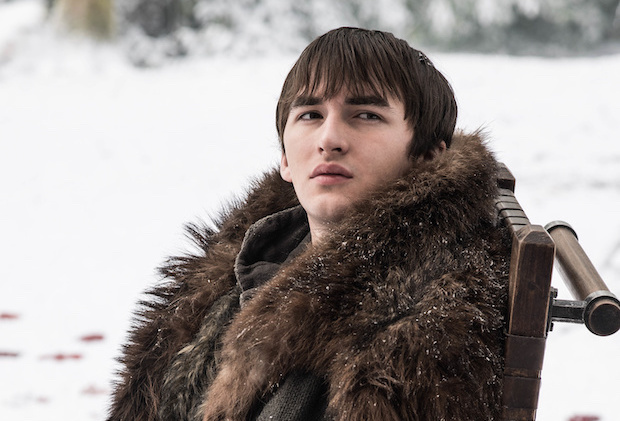
Another peculiar strand of representation is the representation of disability in the books and series. This is a very underlooked area, but within there are many different characters that carry disabilities, but are not portrayed that way. They are not shown in the way of the fact it’s so inspiring that characters are living this life with a disability, but more just taken from a normal perspective and nobody ‘bats an eyelid’ at the disabled in the series, and even the real life audience. You don’t see disabled, inspiring characters but a unique and different cast with traits and personalities none like the other. For example, Tyrion, a main character, is a dwarf; Bran, another crucial character is paralysed from the waste down and Hodor, a large gruelling looking man actually has development problems and a communication disorder. George. R. R. Martin has more shortly ‘given roles of power and roles of honor to characters with disabilities while also not glorifying them for the sole reason of them having a disability.’ (Moore, M. 2017). This is a sector of Game Of Thrones that will attract audiences even though it’s an aspect that is under the radar and not noticed too much. It is a good version of representation as opposed to the culture, ethnicity and the way women can be portrayed.
Fans are the stronghold of any form of media. Whether it be a particular film, book, television series or even a Youtuber, you would not know they existed if it wasn’t for fans. Fandom is a crucial part of any medias success story, and without a good base of fans and people who enjoy the media, there is no chance of it becoming well known. But having this calibre of fans is dangerous, as one small wrong step in the wrong direction can be the beginning of the end for some television shows. ‘Sometimes a brand makes a misstep, costing them millions in the long run’ (Meyncke, A. 2013). It is not easy to go back when a producer or writer makes a mistake and that has been marginally costly in Game Of Thrones, especially in season 8. Many complaints have been made in recent weeks about the scriptwriting in the latest and final HBO installment, claiming its rushed. I personally haven’t noticed this and really enjoyed the season until I start seeing these comments, and it changes your attitude and outlook upon the season. Start picking out problems and mistakes that were not spotted before, and that is the power fandom can have on you. It creates a community, sometimes a positive and enjoyable community but it can also be a dangerous problem as word can travel quickly on social media such as twitter, videos on youtube explaining where things went wrong and fan made pages exclusively for Game Of Thrones, can voice problems. I feel writers and producers should take fandom into their stride rather than avoid it, as there can be some very creative ideas throughout the community that they would definitely benefit from.
Fan theories have become an extensive part of the Game Of Thrones world, and the audience is always wondering what is going to happen next with the vast majority of cliffhangers season after season. Everybody is trying to guess what will happen next and this has led to a large amount of the audience to be dissapointed at the real outcome, after many different theories were perceived. This has lead to mild toxicity within the community and fans feeling let down when sharing their thoughts. So is fandom positive or negative aspect? It definitely has its pros and cons but for as long as the audience can share their thoughts and feelings, I feel there will always be disagreements between those who produce the television show and its audience. This is the same with any television show, and any one that attracts people will create a base of fandom where fans can pick apart the latest episode and discuss the negatives that happened, and most importantly, what they think will happen next. Fandom allows you to discuss with friends a mutual interest, a release to get thoughts of your head and share them with people that may think the same thing so I feel fandom is a positive attribute to the franchise but carries it negative that has kept the series down to earth and even though it is debatably the best television series ever, fandom gives the fans and audience in general a chance to criticise where they went wrong and how they can improve by conversing their thoughts and feelings with each other. Fandom basically holds the life and death of the television show and how it will be perceived
Conclusion.
All in all, Game Of Thrones presents fandom and representation in good and bad ways. They could both be improved and they both respectively bring the fantasy show down to earth with the negativity that surrounds them. Representation brings ethnic minorities and women into the spotlight with disregard to equality in some stages of the show and that has been heavily criticised but I feel has taken on the criticism and adapted season by season to cater for a wider range of audiences, with the introduction of main characters of different skin tones, and a heavier and more predominant woman cast that has dictated the last few seasons. Fandom has been something that has grown since the introduction of social media and ever since the world of hardcore fans have evolved, so has the negativity over different aspects of the series. But with that has also come positives, and with new ways to share about what happened in the latest episode, I feel like big television shows similar to Game Of Thrones will grow rapidly and continue to be successful, as long as representation shows ethnic diversity like the majority of audiences want in a good television series, along with films, books, videos, and in the 21st century it is vital to be applicable to a wide range of people.

 Understanding Media